Written by Ian Rubini, Senior Strategist, NA
Lessons from World Cup ’26
This might be a hot take as a brand strategist: I hate brand partnership campaigns!
OK—I have to admit that was just a click-bait hook to get a reaction. But seriously, I’m deeply skeptical of campaigns that spend significant budget on a partnership (looking at you, Wicked: For Good collabs). I will be happy if I never see a product turned pink or green with absolutely no connection to the movie.
Now that we’re in the throes of the World Cup, my eyes have rolled to the back of my head more times than I’d like to admit. Let’s be real: do you actually think you’ll get notable incremental purchases from slapping a soccer ball on your display? Sure, you might score a goal or two with consumers, but I question the ROI when that partnership costs a pretty penny.
Now you may be thinking, but we can’t just ignore such a HUGE opportunity!! And I’ll respond, you’re right! But you have to do it the right way. Brands that crush partnerships are those that utilize smart insights and a real brand connection to the property to deliver a campaign that really hits the mark for consumers.
While plenty of brands have missed the mark with the World Cup, let’s take a look at some of my favorites so far.
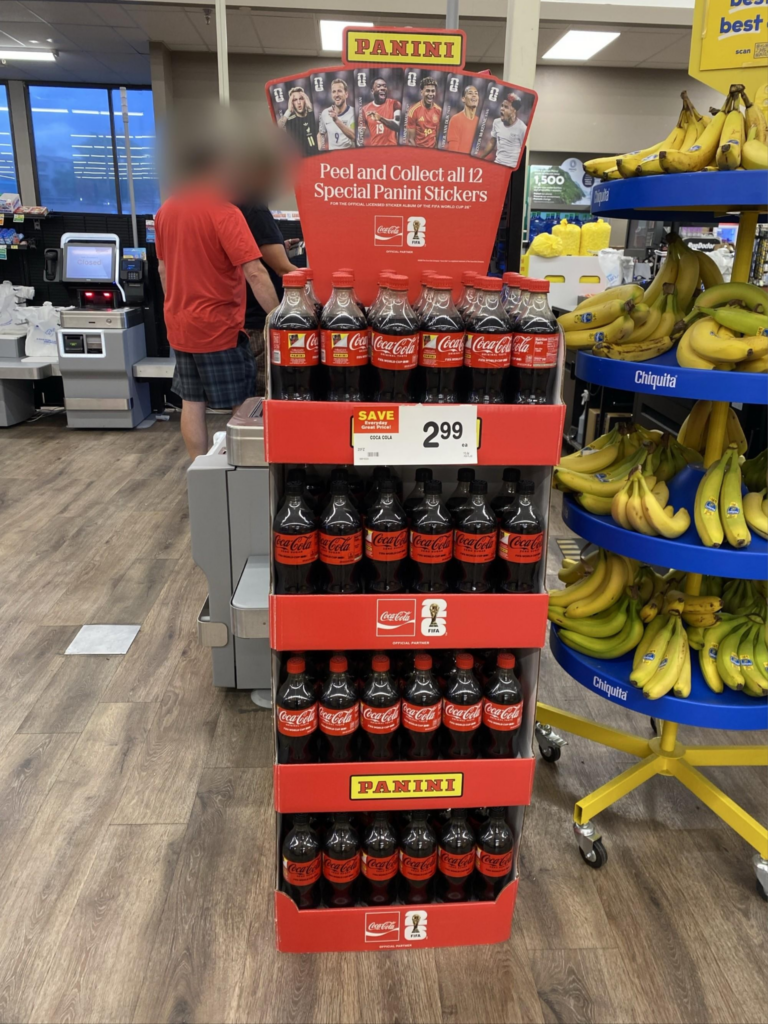
Coca-Cola: Feel It All
Source: Storesight
Insight: World Cup fans have been filling out Panini Sticker Books for over 50 years.
Brand Connection: Coke is centered on shared moments between friends and fans.
Solution: Coca-Cola tapped into a ritual by hiding collectible player stickers behind bottle labels, turning every purchase into a treasure hunt (with a bonus opportunity to win a chance to go to the World Cup).
Takeaway: Coke didn’t just slap its logo on the World Cup. They jumped into a very real fan behavior.
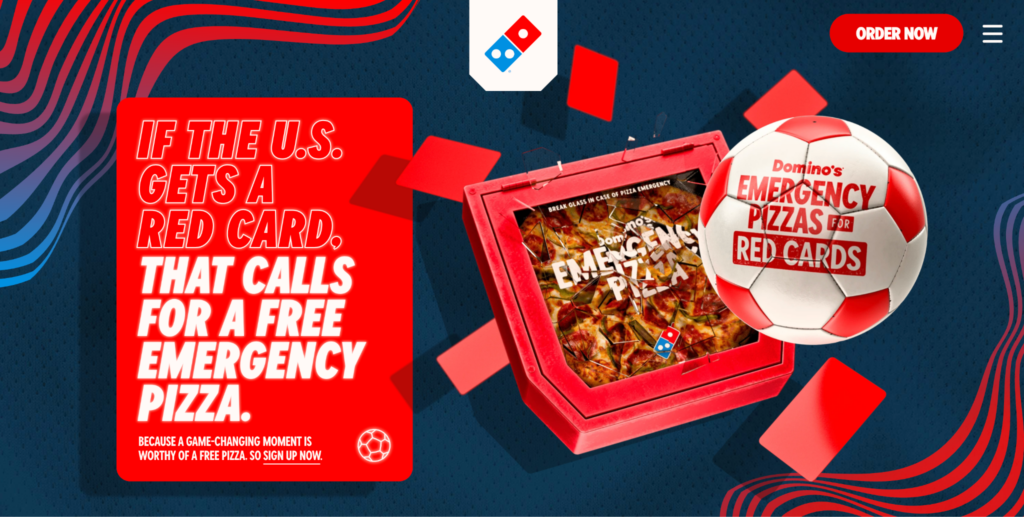
Domino’s: Emergency Free Pizza
Source: Domino’s
Insight: Red cards are the bane of every soccer fan’s existence.
Brand Connection: With pizza as a de-facto snack for watching sports and a longstanding Emergency Pizza campaign, the partnership feels natural.
Solution: What better way to save a bad situation for your home team than with a free pizza? As an extension of their brilliant Emergency Pizza campaign, the brand is offering 60K free pizzas if the US receives a red card.
Takeaway: Domino’s took the worst moment that could happen to a team and offered an easy way for fans watching at home to make it hurt a little less.
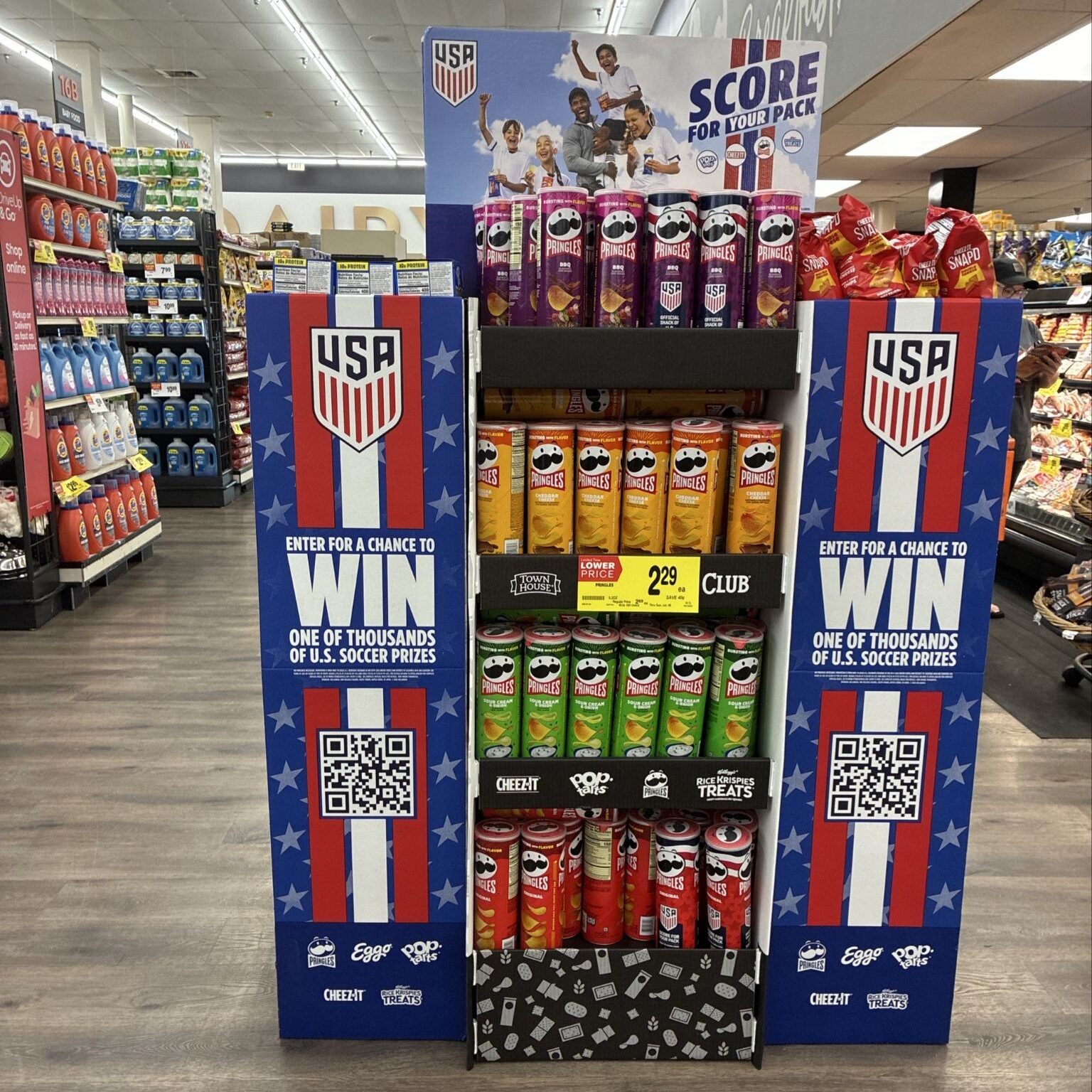
Mars Snacking: It Takes A Pack
Source: Storesight
Insight: Snacking is at the heart of soccer—from long match days with the family to watching your favorite team on the couch, they go hand in hand.
Brand Connection: For years, Kellanova has been part of soccer fans’ lives as the snack passed to the back seat on the way to the game or shared with the team after the win.
Solution: A giveaway that offers soccer fans the opportunity to create their dream match day setup for their pack.
Takeaway: When you have a natural connection to a property or event, USE IT.
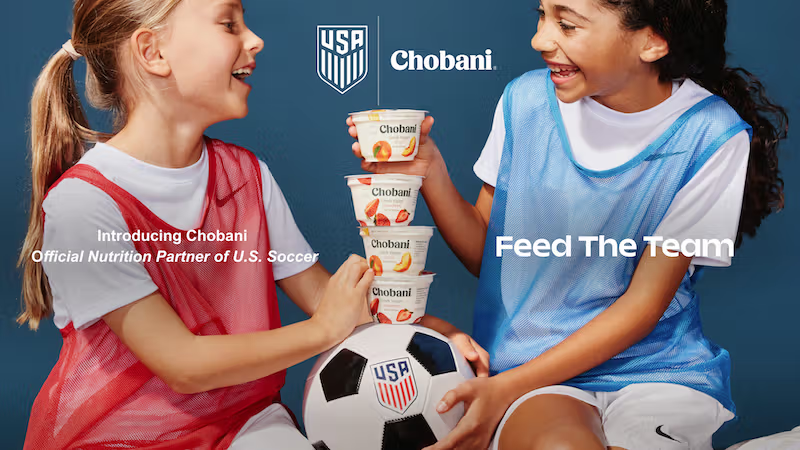
Chobani: Feed The Dream
Source: Chobani
Insight: Soccer and nutrition have become financially unattainable.
Brand Connection: Chobani is a popular soccer match day snack to provide players the nutrients they need to play their best.
Solution: The brand teamed up with US Soccer to be the Official Nutrition Partner and is offering the chance for one lucky team to win up to ten thousand dollars to support their soccer club.
Takeaway: Activating on real issues that consumers experience and offering a solution is a strong way in for brands to show up in a partnership.
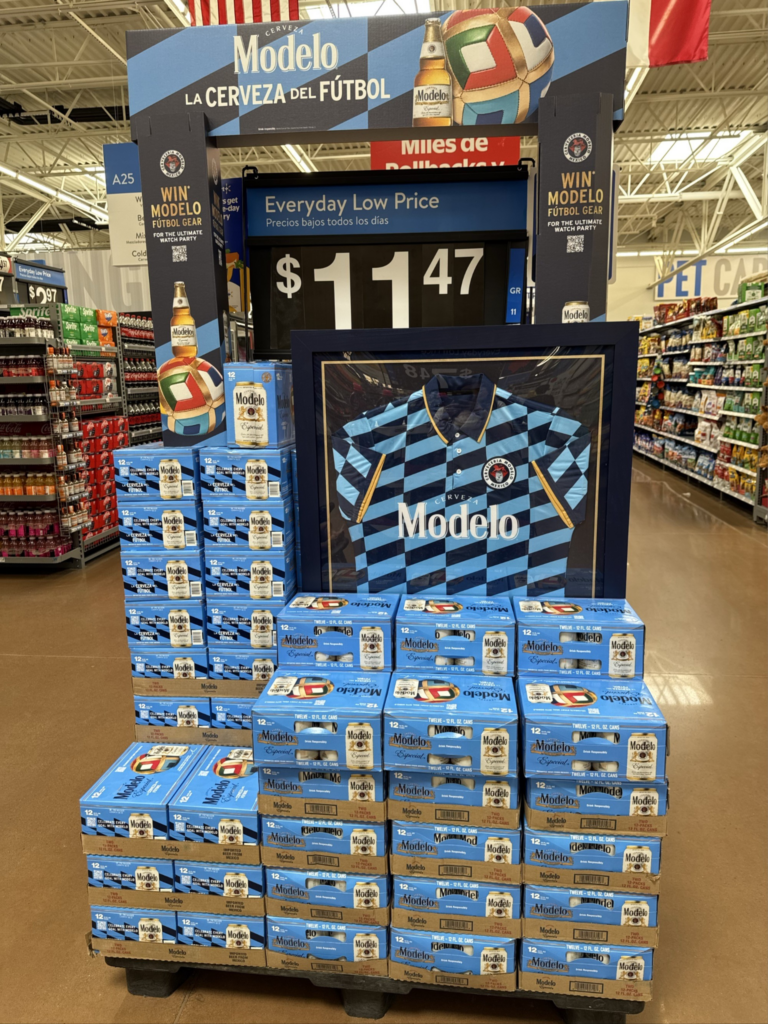
Modelo: Best Seat In The House
Source: Storesight
Insight: Modelo knows that the best seat in the house is your couch, your bar stool or wherever you cracked a cold one with your people.
Brand Connection: It’s built-in—Modelo is already deeply embedded in Hispanic fútbol culture.
Solution: Instead of spending budget on an official World Cup sponsorship, they went all-in on the fan experience that actually exists: a “Best Seat in the House” campaign built around Hispanic fútbol culture, pan-Latin player talent, a Kappa collab kit and a presence at every Telemundo pre-game broadcast.
Takeaway: Not all event activations need an official partnership. If you have the cultural capital and recognition, you don’t need it.
Final Thoughts
While these campaigns all have big budgets and beautiful displays, that’s not what makes them great. Their strategic foundations with smart insights and strong brand connections are the pieces that make them brilliant. And while the World Cup may come and go, there are a few key learnings brands and strategists alike can glean from them.
They earned the right to show up. Every brand has a legitimate reason to join the conversation. Whether it’s Modelo’s deep roots in Hispanic fútbol culture or Mars Snacking’s natural connection to soccer snacking, none of them manufactured their relationship to the moment. Instead, they activated one that already existed.
They led with a grounded insight. Each campaign started with an observation rooted in real fan behavior. Without this, consumers will see right through a logo simply thrown onto a package and have no real reason to purchase. Coke recognized the longstanding tradition of World Cup fans collecting stickers and Chobani saw how the sport has evolved to be unattainable for many. The insight is the cornerstone to a campaign that truly stands out.
They solved something. The best activations don’t just celebrate the World Cup, they addressed a real tension. Domino’s gave fans something to get through losing a player to a red card. Mars Snacking offered a reason for the whole pack to show up together. Each campaign offered true value to the fans, and were not just about making a loud statement for a quick headline.
When you bring these all together, you create a campaign that breaks through the noise of a buzzy moment. And if you can’t say why your brand belongs here, no amount of money will make you stand out.