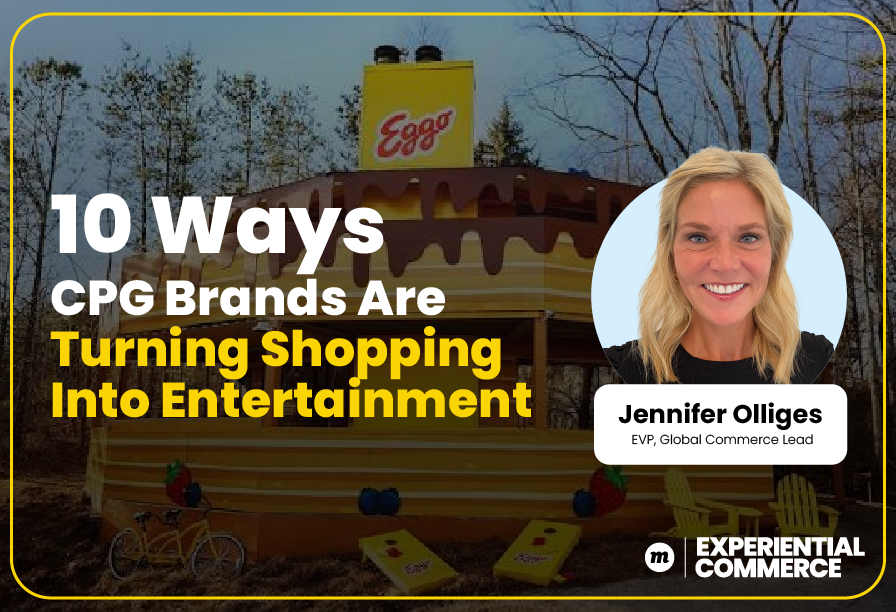
Written by Jennifer Olliges, EVP, Global Commerce Lead
10 Ways CPG Brands Are Turning Shopping Into Entertainment
For decades, CPG brands fought for inches of shelf space. Today, they’re fighting for seconds of attention—and this summer, the brands winning consumers over are acting a lot more like entertainment companies than traditional marketers.
Experiential commerce has officially entered its “summer blockbuster” era.
Consumers no longer want passive brand interactions. They want moments worth sharing, experiences worth posting and products that feel connected to culture. The smartest CPG brands are responding by transforming shopping from a transaction into entertainment.
So, in the spirit of summer playlists, road trips and pop-up season, here are 10 ways experiential commerce is reshaping the CPG world right now:
1. The Product Drop Is the New Movie Premiere
Limited-edition launches now create anticipation usually reserved for sneaker culture or streaming releases.
Oreo has mastered this playbook with collaborations with BTS, Pokémon, Lady Gaga and Coca-Cola. Fans don’t simply buy the cookies—they hunt for them, trade them online and create unboxing content. Likewise, Mountain Dew’s Baja Midnight has evolved from a Taco Bell exclusive into an annual summer event that consumers actively anticipate.
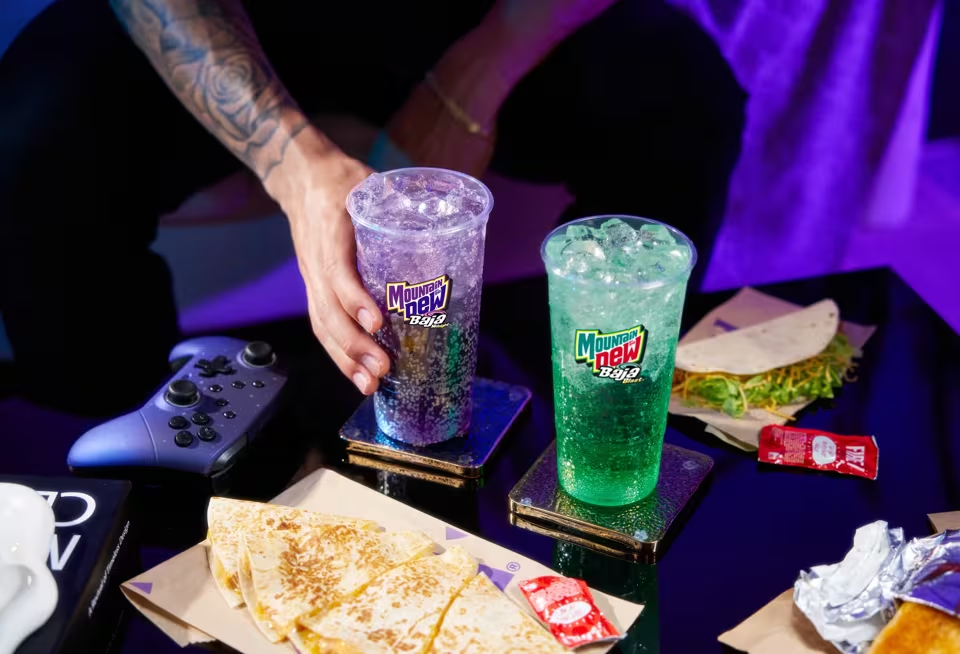
Credit: Mountain Dew Baja Midnight, Taco Bell
2. Sampling Became a Social Event
Consumers don’t just want to taste products anymore. They want to film, review, rank and share them.
Chobani’s experiential sampling at marathons, wellness festivals and fitness events turns a simple yogurt sample into part of a healthy lifestyle experience. Especially as they have spent the summer focused on helping communities through their US soccer sponsorship.
Also, Kraft Heinz created the Oscar Meyer Pitstop, a family-fun experience that showcased portfolio brands like Kraft, Heinz and Oscar Mayer. Attendees enjoyed getting a hot dog with their name written in Heinz condiments, interacting with the Wienermobile and Hotdoggers, and playing the Saucy Speedway racing game where they won custom prizes. Over the Indy 500 weekend, 10,000+ fans engaged with the unique footprint.
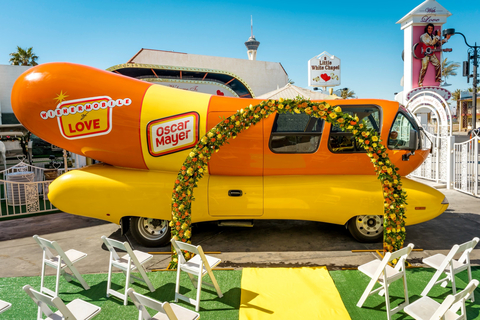
Credit: Dan Bushkin
3. Retail Stores Became Content Studios
Every aisle, display and activation now has the potential to become TikTok content.
Poppi builds colorful, highly Instagrammable retail displays that encourage shoppers to stop, photograph and share. General Mills’ Monster Cereal Halloween displays have become annual destinations that shoppers actively seek out each fall.
Retail is no longer just distribution; it is media.
4. Nostalgia Still Sells
The brands creating emotional connections often win the shopping trip.
To win Millennials’ hearts during the back-to-school season, General Mills just launched their Saved by the Box Tops program, leveraging the cast of Saved by the Bell. Be sure to look in retailers near you for packaging featuring offers within their portfolio of brands.
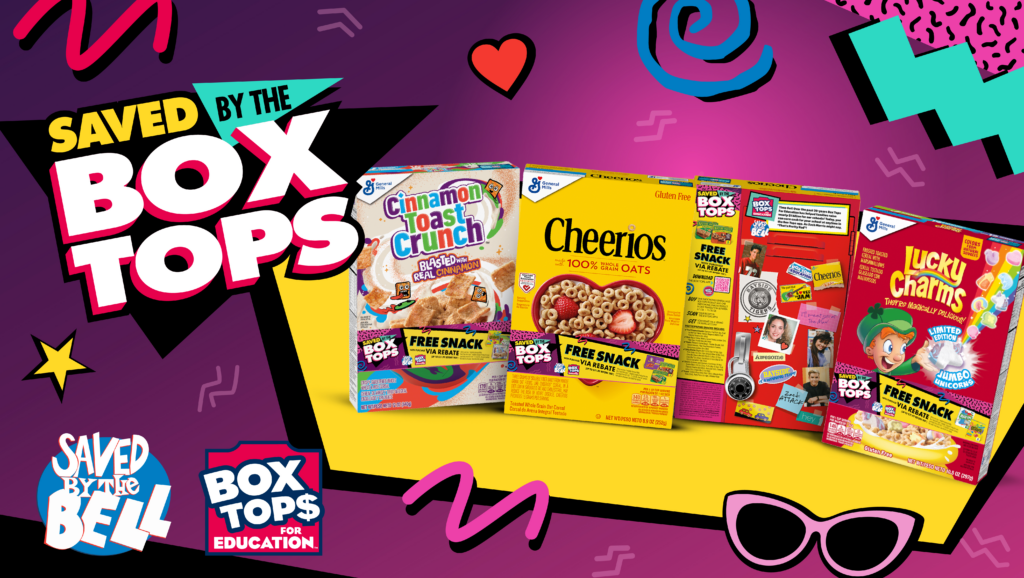
Credit: Ads of the World
5. Gaming Is the New Tailgate
The next generation gathers online long before they gather in stadium parking lots.
Nutter Butter launched “Get Your Nutty Game On: The Day of Nuttiness,” a live, unscripted, 12-hour event on Twitch. This program featured popular Gen Z streamers who were tasked to “go nutty” and participate in challenges.
6. Fans Matter More Than Followers
The strongest experiential commerce programs create communities, not campaigns.
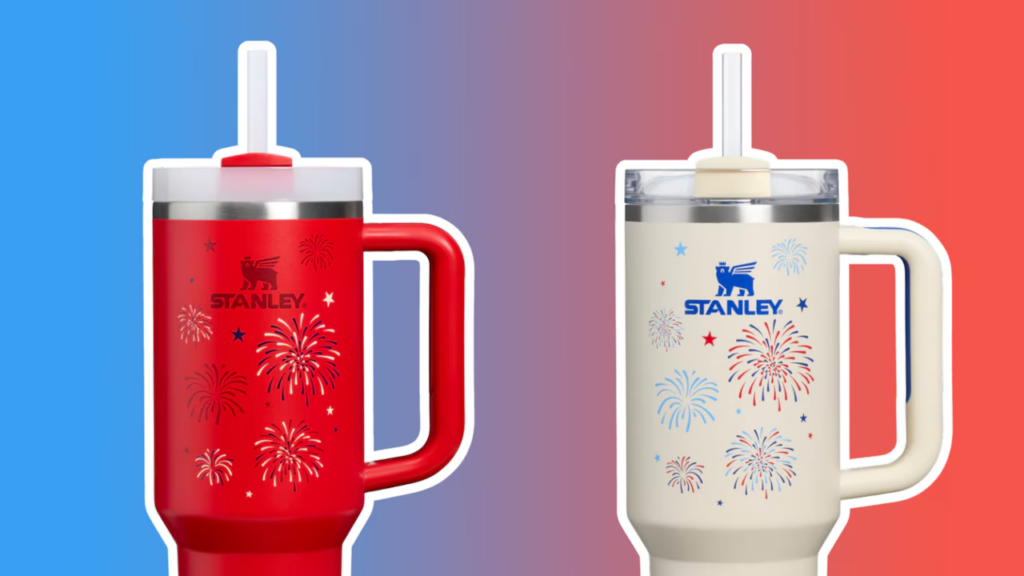
Crumbl Cookies built a weekly flavor reveal that has become appointment viewing across TikTok, while Stanley has demonstrated how passionate fan communities can drive product launches into cultural moments. Did you see all the Stanleys around America’s 250th celebrations?
Credit: MassLive
7. Convenience Still Wins—But Make It Fun
Even quick-commerce and grab-and-go experiences are becoming more immersive and personalized.
7-Eleven’s collaborations with brands like Reese’s, Takis and Coca-Cola transform routine convenience trips into discovery moments. We note several brands are increasingly pairing retail media, QR codes and digital rewards with everyday purchases.
8. Pop-Ups Became the New Billboards
Temporary experiences now create lasting impressions.
M&M’S experiential stores remain iconic destinations, but brands are going further. Nutella Cafés and Coca-Cola’s immersive holiday activations invite consumers to spend time with the brand rather than simply purchasing it. Even Free Cone Day at Ben & Jerry’s functions as one of the world’s largest annual experiential activations.
9. The Best Activations Start Online Before They Go Offline
Today’s experiences succeed because consumers hear about them socially first—and continue sharing them long after they end.
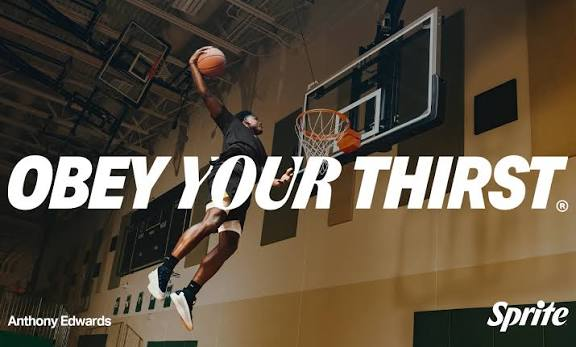
Olipop frequently uses creator content to build anticipation before retail launches. Sprite’s Obey Your Thirst creator partnerships and Coca-Cola Creations launches use digital storytelling to build excitement before products ever reach store shelves.
Credit: The Coca-Cola Company
10. The Experience Is Becoming the Product
The brands winning today aren’t simply selling snacks, cereal or candy. They’re selling participation, identity and memories.
Whether it’s sporting events like the Pop-Tarts Bowl or an Airbnb experience like Eggo House of Pancakes, consumers increasingly remember how a brand made them feel—not simply what they purchased.
The next era of commerce belongs to brands that create stories worth joining. They’ll build anticipation before the purchase, entertainment during the experience and advocacy long after the product is gone.
Because in today’s commerce landscape, the experience isn’t supporting the product…