Written by Fiona Sha, Senior Strategist, New York, at Momentum
Welcome back, class! Back-to-school may be an annual project, but parents are taking a different approach to the game plan: they’re getting more selective with their dollars, less rushed in their timing, and are increasingly willing to move between digital and physical retail depending on what they need. Quick stats to kick us off (you might want to highlight these for the final exam): 31% of parents are hyper-value seekers, yet they spend 15% more per child than other shoppers. Translation: value-seeking isn’t austerity—it’s a very discerning shopping strategy. And with just 62% starting in early July, but also 47% planning to replenish supplies throughout the year, the BTS scramble is looking a lot more like a study plan. Now let’s see if brands understood the assignment.
Lesson 1: BTS needs a fresh start
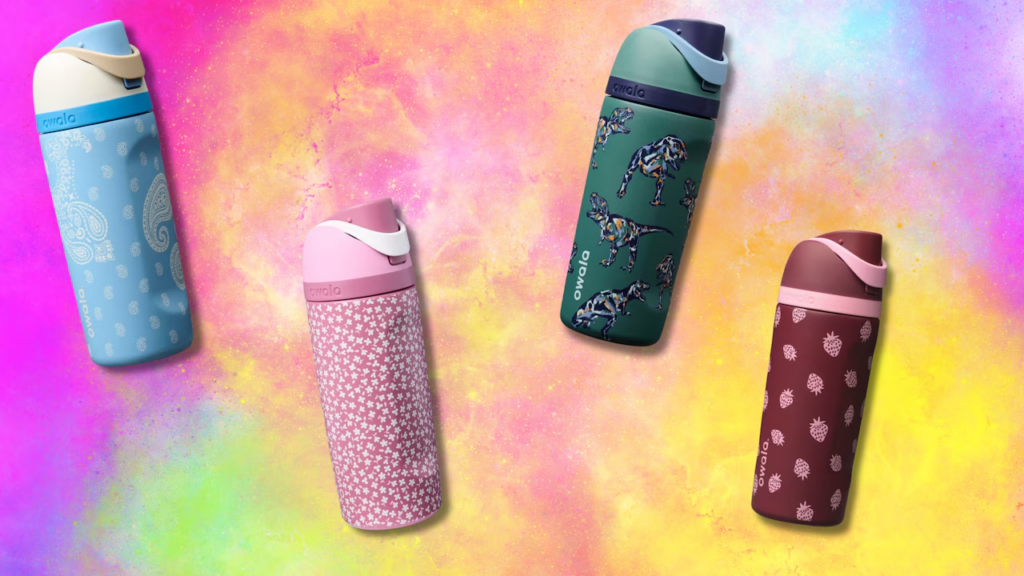
Credit: Owala x Cat & Jack
Let’s be honest: BTS has some very well-worn visual shorthand at retail. Yellow buses. Pencils. Locker doors. Repeat. With the same retail cues starting to look like clip art—and giving parents the season creep—there is a wide opening for brands to make the season feel fresh again.
Required readings
- Kraft Heinz treats the start of school like a second New Year, tapping into the season’s reset energy to encourage families to refresh routines and embrace what’s next.
- Storq makes practicality personal with its “Cool Kid” collection, coordinating backpacks, lunch boxes, bottles and nap mats into one playful look, while Owala x Cat & Jack bring exclusive prints to school essentials at Target.
Professor’s note: The strongest refreshes don’t reinvent BTS—they make the familiar feel new enough to get excited about again.
Lesson 2: Make the mayhem more magical
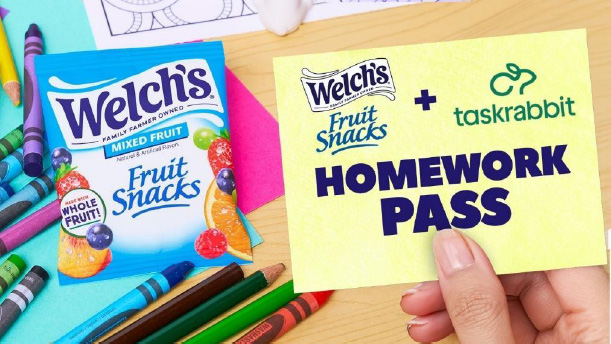
Credit: Welch’s x Taskrabbit
In a season crowded with endless choices vying for attention, the smartest BTS collabs help parents consolidate rather than overwhelm. They aren’t just logo mashups, but use complementary strengths to engineer more joy, ease and connection into the season.
Required readings
Duolingo x Luckin turned studying and coffee into a more playful ritual through limited-edition drinks and cups, while Welch’s x Taskrabbit helped parents outsource BTS busywork so they can squeeze more summertime out of the season.
To keep healthy eating from feeling like homework, Bakeful x Dr. Praeger’s x Wave Kids combined different BFY products into one easier-to-shop solution. Meanwhile, Lysol’s Quality Time Off Grant and KinderFarms’ UnHour Toolkit shifted wellness messaging away from the fear of illness to focus on the memories parents can make when illness isn’t taking center stage.
Professor’s note: Great partnerships don’t just share audiences—they create a bigger emotional payoff and joint shelf presence.
Lesson 3: Turn BTS into a cultural playground
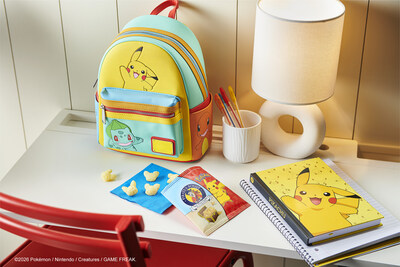
Credit: Pirate’s Booty x Pokémon
The cultural canvas of BTS is expanding, with brands tapping fandom and nostalgia to give kids more “I need that” moments in the aisle—and adults a chance to relive a little of their own childhood along the way.
Required readings
Sharpie x Elmer’s x Toy Story 5 brought the beloved movie franchise into crafting and school prep, while Pirate’s Booty x Pokémon turned snack time into fandom with Pikachu-shaped puffs, special-edition packs and interactive activities.
Dutch Bros is giving grown-ups a sip back to childhood with three throwback-inspired drinks, while Jones Soda x Crayola paired two instantly recognizable brands in a limited-edition pack built on multigenerational nostalgia.
Professor’s note: You don’t always need to create cultural relevance from scratch—sometimes you just need to borrow it.
Lesson 4: Rethink the shopping experience
Credit: Target Back To School
Class, stay with me—we’re circling back to that digital vs. physical retail remark from earlier. Consider this the deeper dive: the BTS shopping journey is getting a redesign, where retailers blend inspiration and immersion with the ease shoppers expect online.
Required readings
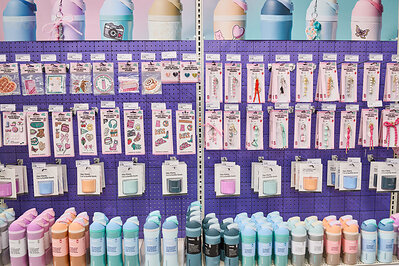
Plato’s Closet turned its store into a school hallway, letting teens test-drive their first-day outfits; Target built BTS destinations around shopping missions to help parents and students shop—and envision—the year ahead.
While some are making the store worth the trip, others are bringing the convenience of e-commerce along for the ride. Foot Locker offered on-demand and scheduled delivery through Uber Eats. And with nearly 70% of parents open to technology that simplifies BTS shopping, Kohl’s and Kroger are putting AI to work on everything from outfit inspiration to meal planning.
Professor’s note: The best retail playbook has no favorite class—every channel gets to borrow the tricks to make BTS more curated and effortless.
Lesson 5: Value still gets top billing
Credit: Staples
After all that innovation, one thing remains firmly on the syllabus: value. But rather than simply racing to the bottom, retailers are making their own definition of value harder to replace.
Required readings
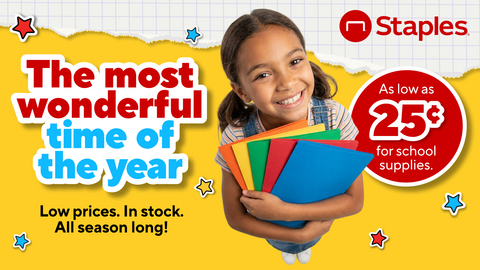
Primark is using its Iconic Value campaign to make affordability central to BTS, while Staples is holding 2025 prices on key essentials and reviving its nostalgic “Most Wonderful Time of the Year” campaign.
The Big Three retailers have each picked their major, and they’re going all in. Walmart is making value impossible to ignore, with select school supplies starting at $0.25, Target is leaning into private labels and exclusives to reinforce its design authority, and Amazon is putting convenience on shoppers’ terms by moving Prime Day earlier and expanding 24/7 pickup to more than 750 college locations.
Professor’s note: In a season where everyone wants to win the shopper, the sharpest players know exactly which part of the value equation they can own.
Class dismissed!
Sources: PwC, Forbes, NRF, Business Wire